Death of the Pastor's Wife
He finished the sermon first.
One day after Mica Miller was found dead in a North Carolina state park, her husband stood in the pulpit at Solid Rock Church and preached. Then, at the very end, he told the congregation his wife was gone and that she had done it to herself. A whole sermon, and the death of the pastor's wife was the closing note.
The nation has spent the time since then questioning his certainty. Her family already was. But from the stage, on that day, there was no question at all. There was a version of events, and he was the one holding the microphone.
That's the part of Death of the Pastor's Wife that haunts me the most. Not just because the story is extreme, but because the machinery is familiar. Whoever holds the microphone holds the story, and the church can be remarkably good at making sure that person is never you.
As the title implies, this isn't a fun documentary to watch. It tells the story of the apparent death by suicide of Mica Miller and the heartbreaking journey of her life that led up to that tragic ending. I thought I'd offer my reactions to this story as an ordained pastor. There are four dominant themes that are well exposed in this documentary.
While the story of Mica and John-Paul Miller is extreme in numerous ways, it isn't exactly an anomaly. I suspect that is why so many people both inside and outside the church are engrossed in this story. It shows a glimpse into the dark side of evangelicalism that most people either don't realize exists or don't want to know exists. Thankfully, most pastors aren't John-Paul, and most people who submit to pastoral authority aren't being abused. But at some point we have to acknowledge when it keeps happening. The John-Paul level outcome is rare, but the machinery that enables and protects it is far too common.
Obsession with human authority
The reason you get a story like this is that we've created environments that are ripe for the abuse of authority. While there are numerous ways to create an environment like this, adding a spiritual expectation to submit yourself to others opens the door. In the story of Mica and JP, we see it in two ways.
There is both the authority of the pastor and the authority of the husband. As an abuser, John-Paul relied heavily on both. And it works because in an evangelical environment there is an expectation that both authorities are necessary.
As a case in point, one of the criticisms I've received in the last few years is that I'm not properly under the right type of authority in my life. I've written recently about the expectation that we need human authority over us and the assumption that our lives will fall apart without it (see "Whatever Seemed Right in Their Own Eyes").
Abusers use authority in this way to get you not to trust yourself and to convince you that you need to trust them instead. It's a way to keep others in line.
The need to control the narrative
Churches often control the story the community sees. John-Paul spent considerable time trying to shape Mica's narrative, using the pulpit to do so. These days, it's not uncommon for churches to require staff to sign NDAs to receive severance after their employment ends. Since many staff members rely on that financially, they don't have much choice. The church then has the opportunity to tell the only version of the story that the community hears.
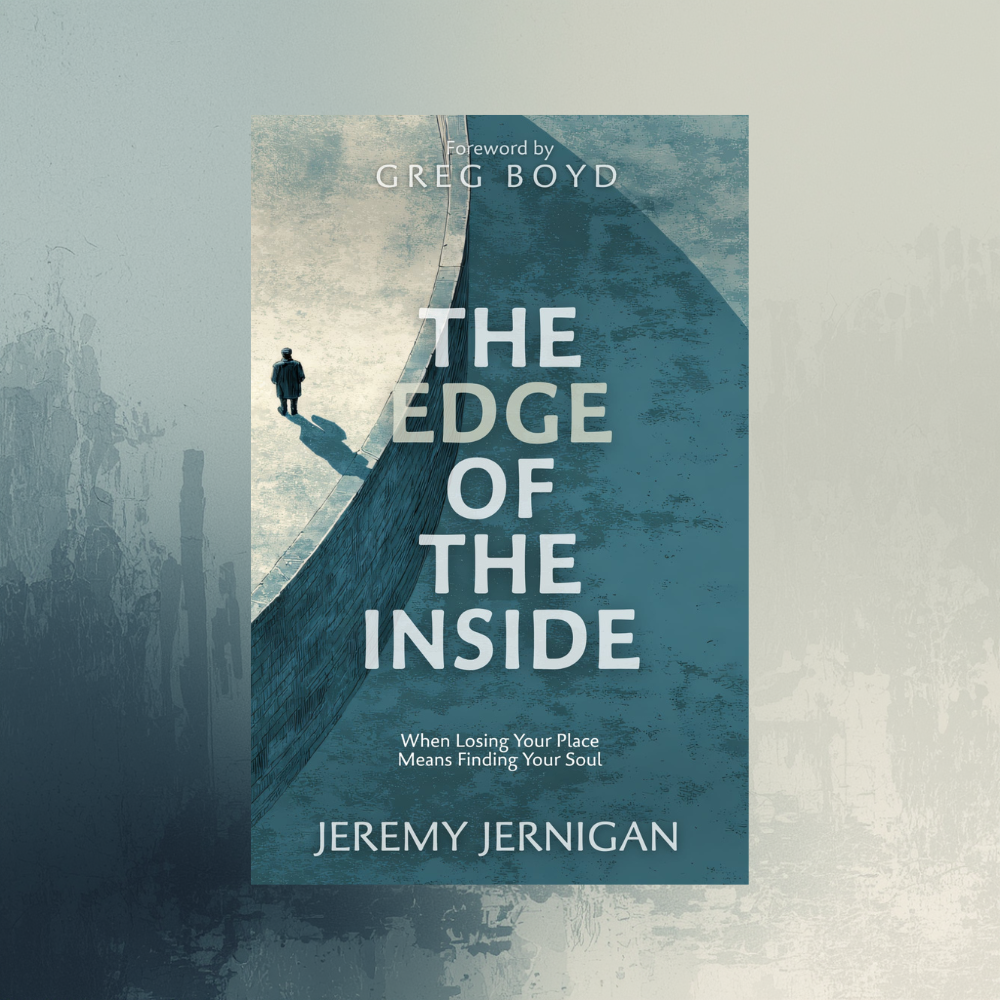
When I resigned as a Lead Pastor in response to the ultimatum I was given (a story I tell in The Edge of the Inside), I was refused the opportunity to communicate. I asked the eldership for the chance to send a message to the church at large (which the elders would see in advance) and was denied. I wasn't even allowed to email our staff members to tell them why I was leaving.
Thankfully, I have maintained a personal blog over the years and was able to use it to tell my story (I also wrote a book about it, but you get the point). Many people don't have that chance.
Christianity as a weapon
The thing I felt the most when watching this documentary was the physical revulsion at watching people use Christianity (and the Bible) as a weapon against others. When the Way of Jesus is hijacked to oppress vulnerable people, it is a gross blasphemy of God. That's why I've committed myself to speaking out against all forms of this, even when it makes others within the church uncomfortable.
John-Paul has spent a career leveraging Christianity to his own benefit. He knows the words to use and the verses to quote. And the dangerous part of this is that when people get good at it, they appear to be the moral ones. They defend abuse in the name of God. Jesus spent some of His harshest words on people who did this in His day. Unfortunately, John-Paul is not remotely unique in doing this.
Indoctrination as religion
Mica met John-Paul when she was thirteen. He was her pastor and was fifteen years older than her. Seven years later, he would begin an affair with her while married to another woman. The level of grooming and the culture of spiritual abuse this reflects is staggering. I wish it were an anomaly.
It's been interesting for me to read reactions from so many people online who can't believe sermons like the ones shown in the documentary exist (many of them focused on marital roles). Conversely, I can't believe how common it is. So much of the theology we are told is orthodox is a set of structures built to maintain control and power over others. When used for years on young and vulnerable people, the effects can be catastrophic. It's why we need to stop and consider whether "Biblical marriage" is trapping women. A theology that tells a wife her uncritical submission is obedience to God not only fails to help her leave, it also supplies the abuser his script. And all while convincing her that enduring the abuse is faithfulness.
Christians are often the ones telling you to beware of the LGBTQ+ community and its agenda, but I've found that kids are in far more danger growing up in a church community that indoctrinates them to be susceptible to abuse. While many people have been shocked by the church culture depicted in the documentary, this part isn't surprising to those of us who have been deep behind the scenes in the church.
Watching the light of passion for Jesus slowly extinguished in Mica's eyes is the same journey many people experience as the reality of the church fails to live up to the beauty of the Gospel.
Don't look away.
If you found your way to this post, you probably already know you need more than a Sunday morning and a podcast. The Rebuilding Faith community is a private space where people like you meet online, read together, and don't have to pretend. You get the Friday Recap newsletter, monthly live calls, guided book studies, and more resources. Starting at $10/month. No long-term commitment. Come find out you're not alone. Find out more.
Photo by Gregory Hayes on Unsplash
Sign up with your email and never miss a post!
We hate SPAM. We will never sell your information, for any reason.